
Defining Roles And Processes For Agentic EngineeringAgentic AI is Changing How We Build Software (And Your Role in It)
Software development has always been about refining our craft—better methods, better tools, faster cycles. But something fundamentally different is happening now. We’re moving beyond AI that suggests code to AI that takes initiative.
Welcome to the era of Agentic AI.
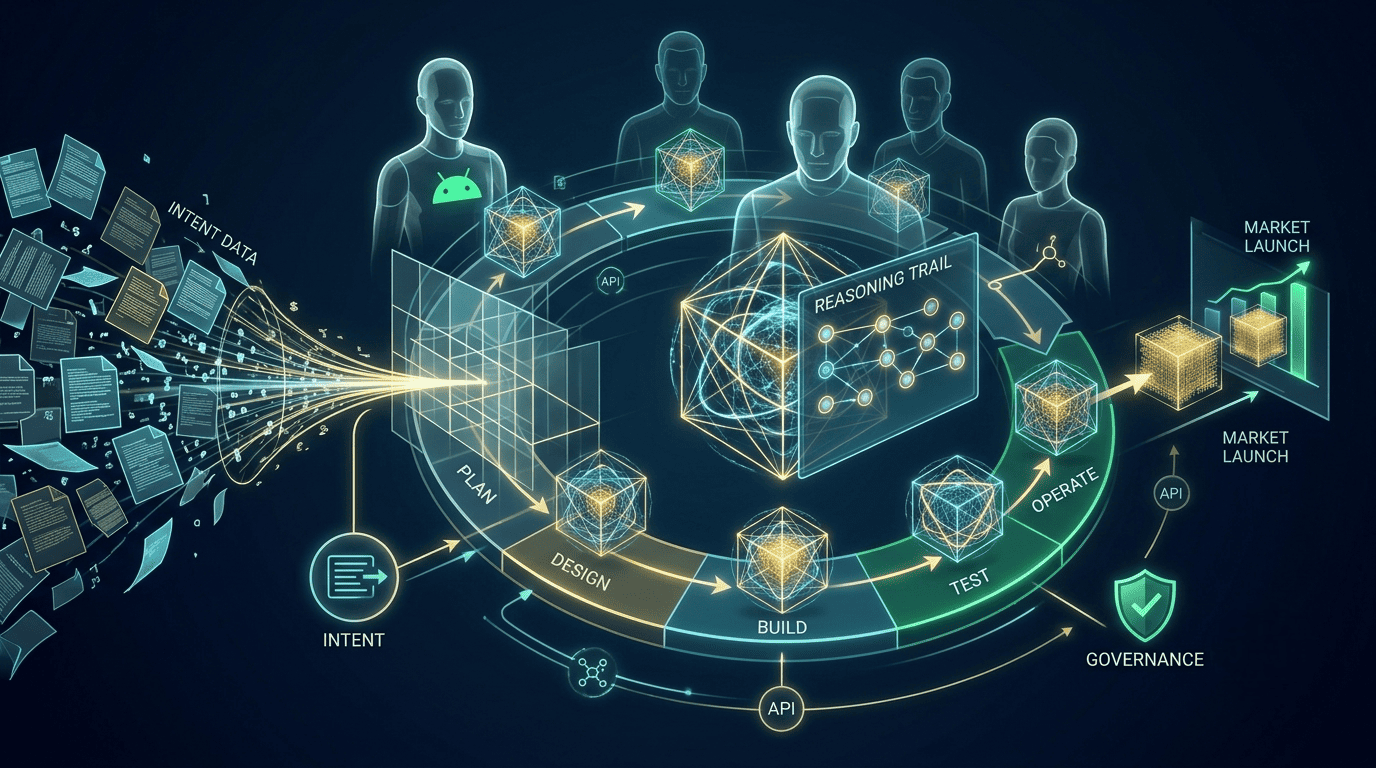
These aren’t your average autocomplete tools. Agentic systems can set their own goals, plan out multi-step tasks, take action, and review their own results—all with growing independence. This shift means human engineers are moving upstream. Our job is no longer just writing code; it’s setting clear intentions, making tough tradeoffs, and ensuring these digital workers behave responsibly.
A new report from MIT Technology Review Insights (sponsored by SoftServe) takes a deep dive into this shift. The numbers are striking: 51% of organizations are already experimenting with agentic AI, and 45% plan to jump in within the next year.
Here’s what that actually looks like on the ground:
What Makes Agentic AI Different?
Think of basic code assistants (like GitHub Copilot) as a really smart pair of hands—they complete your sentences. Agentic AI is more like a junior developer. It can take a user story, draft specifications, generate a few different solution options, run tests, and leave a clear “thinking trail” for you to review later.
The big difference: Instead of single prompts, you’re dealing with sustained problem-ownership. You hand it a goal, and it works through the steps, coming back to you for check-ins rather than step-by-step instructions.
The Big Shifts Happening Right Now
- Workflows are being redesigned: Agents are drafting specs, comparing variants, and keeping logs of their reasoning. This makes audits easier and handoffs smoother.
- Speed is skyrocketing: 98% of leaders expect to move from pilot to production faster. On average, they’re predicting a 37% speed increase over the next two years.
- Lifecycle management is expanding: Right now, 41% of orgs want agents to manage most of the product lifecycle within 18 months. That jumps to 72% within two years.
New Roles Are Emerging (And Old Ones Are Evolving)
The human side of this is fascinating. As agents take over more execution, we need people who can speak “agent” fluently.
- Intelligence Engineers are becoming essential. They configure agents, feed them the right context, evaluate their outputs, and coordinate multi-agent teams.
- Software Architects are more relevant than ever. As systems become distributed and policy-driven, someone needs to design the big picture.
- QA Professionals are moving to the center of the room. Why? Because measuring performance, ensuring reproducibility, and overseeing ethics are suddenly strategic priorities.
Currently, 51% of organizations plan to prioritize hiring engineers who are proficient in working with AI over the next two years.
The Reality Check: It’s Not All Smooth Sailing
Agentic AI is powerful, but it comes with a steep learning curve. Here are the hurdles:
- Compute Costs: Running these experiments burns through cloud budgets fast. You need strict guardrails.
- Legacy Integration: Tying these new agents into your ancient internal APIs and mainframes is tricky.
- Auditability: In regulated industries (finance, healthcare), you must know why an agent made a decision. Black boxes aren’t acceptable.
- Reliability: If an agent ships broken code, it’s on you. Trust and ethical responsibility are non-negotiable.
MrTurex
June 12, 2026The shift from “coder” to “intent-setter” is the most underrated career change coming for senior devs. If your only skill is syntax, you’re in trouble. If your skill is system design and clear communication of business goals, you become invaluable as the conductor of these AI orchestras.
BitCatalyst
June 18, 2026I love the 37% speed increase stat, but I wish they measured quality too. If an agent generates 37% more code but introduces 50% more security vulnerabilities, what’s the point? We need to redefine “delivery speed” to include “time spent fixing AI-generated spaghetti.”
Ruichi
June 30, 2026Governance is the boring part that everyone wants to skip—and that’s exactly why it will be the differentiator. The companies that succeed won’t have the smartest agents; they’ll have the strictest audit trails and cost controls. Treating this like a regulated financial trade is the right move.