

AI coding assistants are no longer a novelty. They are part of everyday engineering. They write a growing share of production code, and they can generate code across the whole software lifecycle. But there is a catch: AI has increased the volume of code much faster than it has increased our confidence that the code is correct, secure, and […]
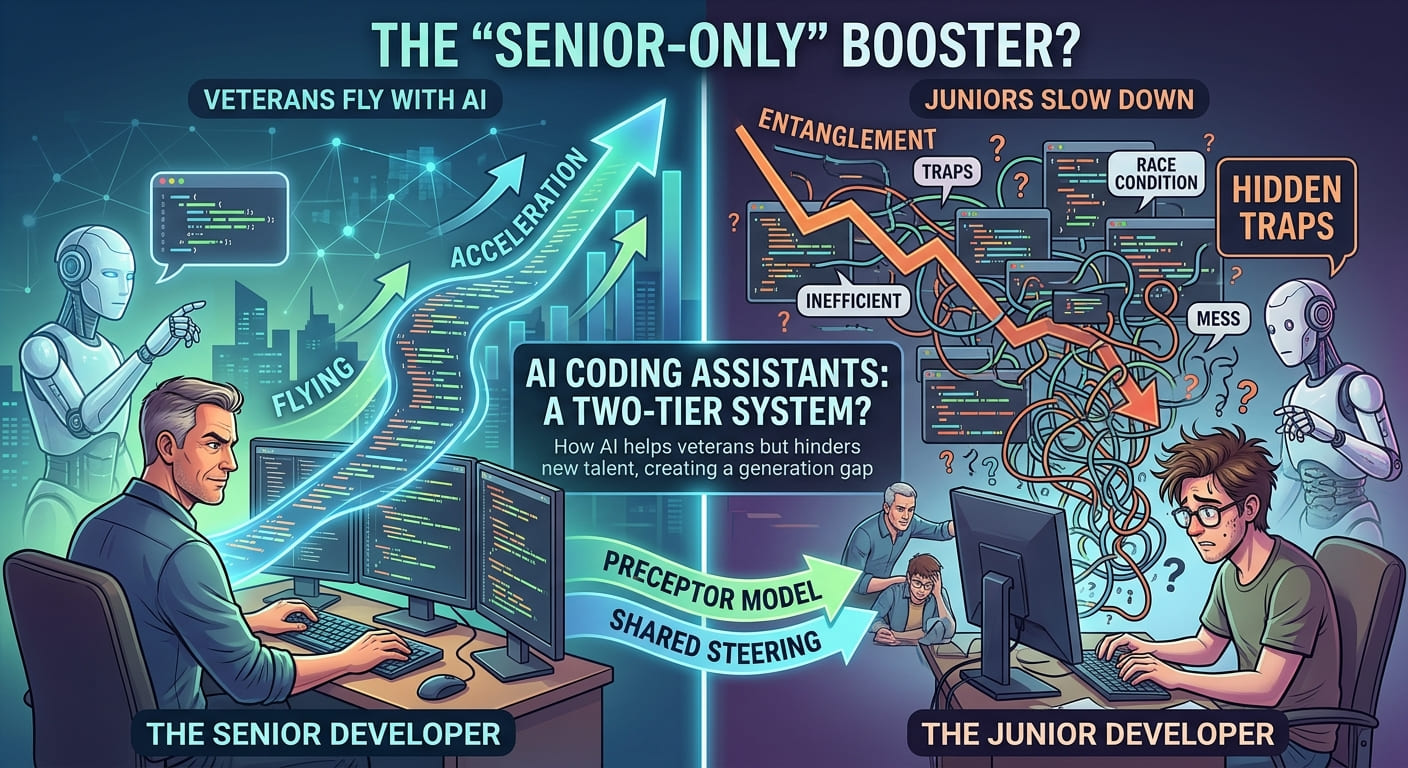
Two of Microsoft’s most prominent technical leaders—Mark Russinovich, who serves as the CTO of Microsoft Azure, and Scott Hanselman, the VP of the developer community—have just published a candid paper with the ACM (Association for Computing Machinery). And while both men are deeply invested in the AI revolution, their core message is a sobering wake-up […]
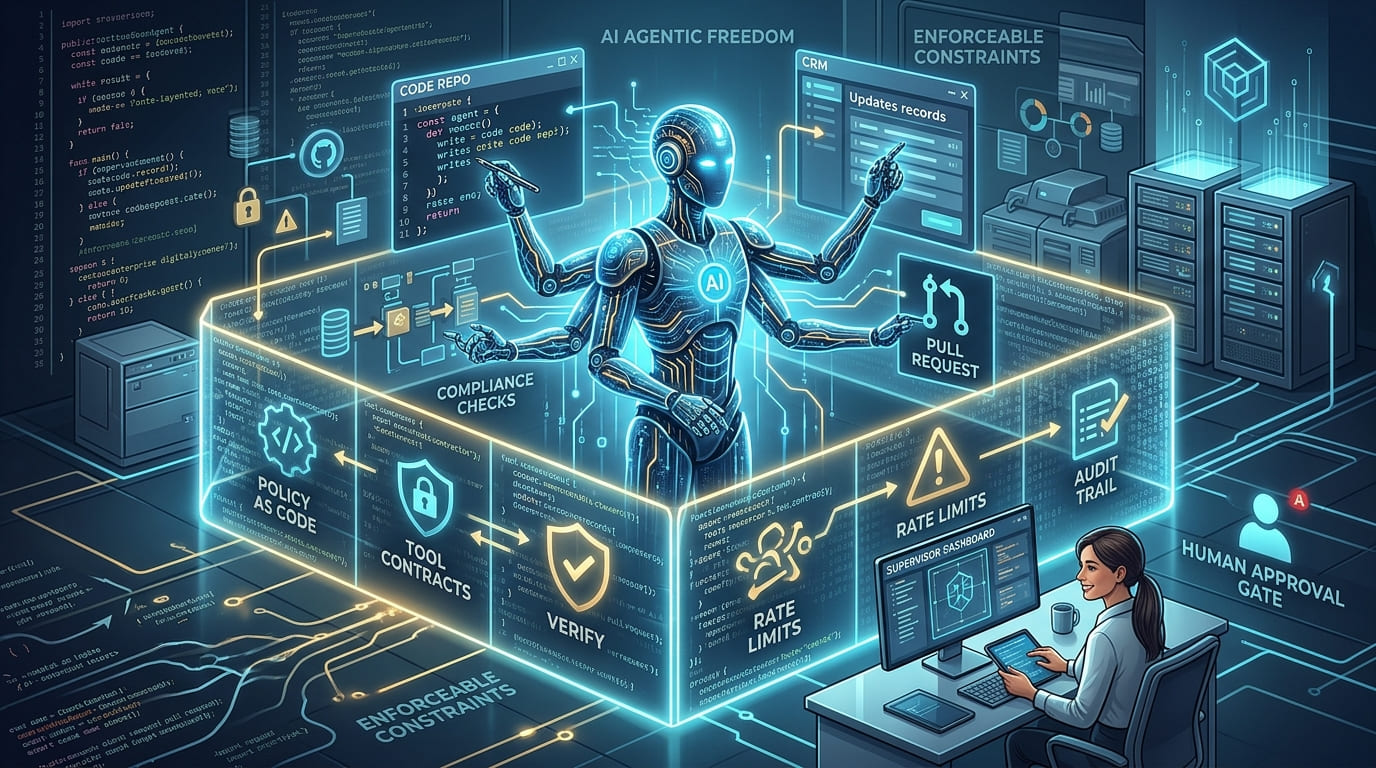
Enterprise teams are moving beyond simple chatbots. They want AI that can actually do things: write code, update CRM records, create pull requests, run compliance checks, and then follow up on the next step. That’s the world of agentic AI – software that turns a user’s goal into a series of actions. But here’s the catch: if you give […]
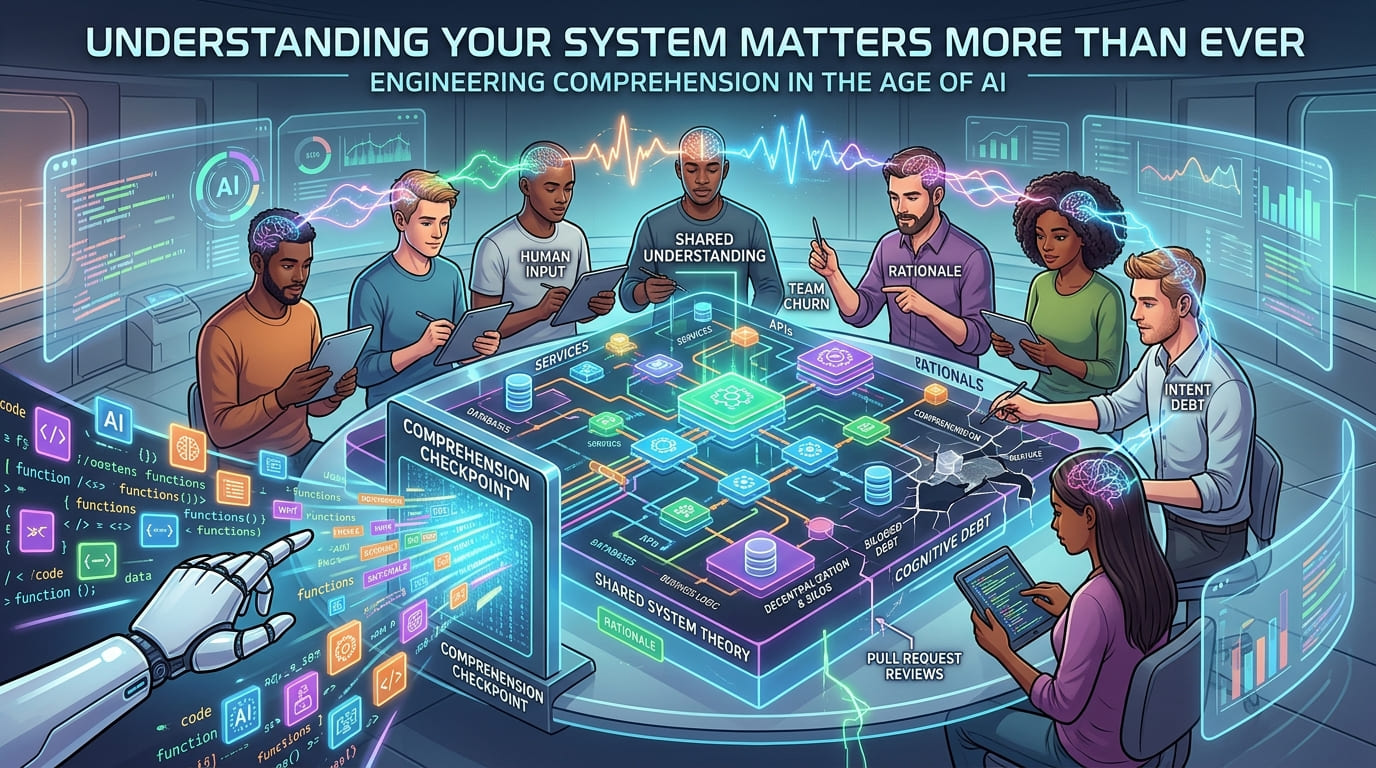
We’ve all been there: a production outage happens, and the team spends most of the crisis call just trying to figure out how the services are connected and what they actually do. The bug itself takes second place. The real culprit? A slow, silent loss of shared understanding. If your team doesn’t truly get the system, you […]
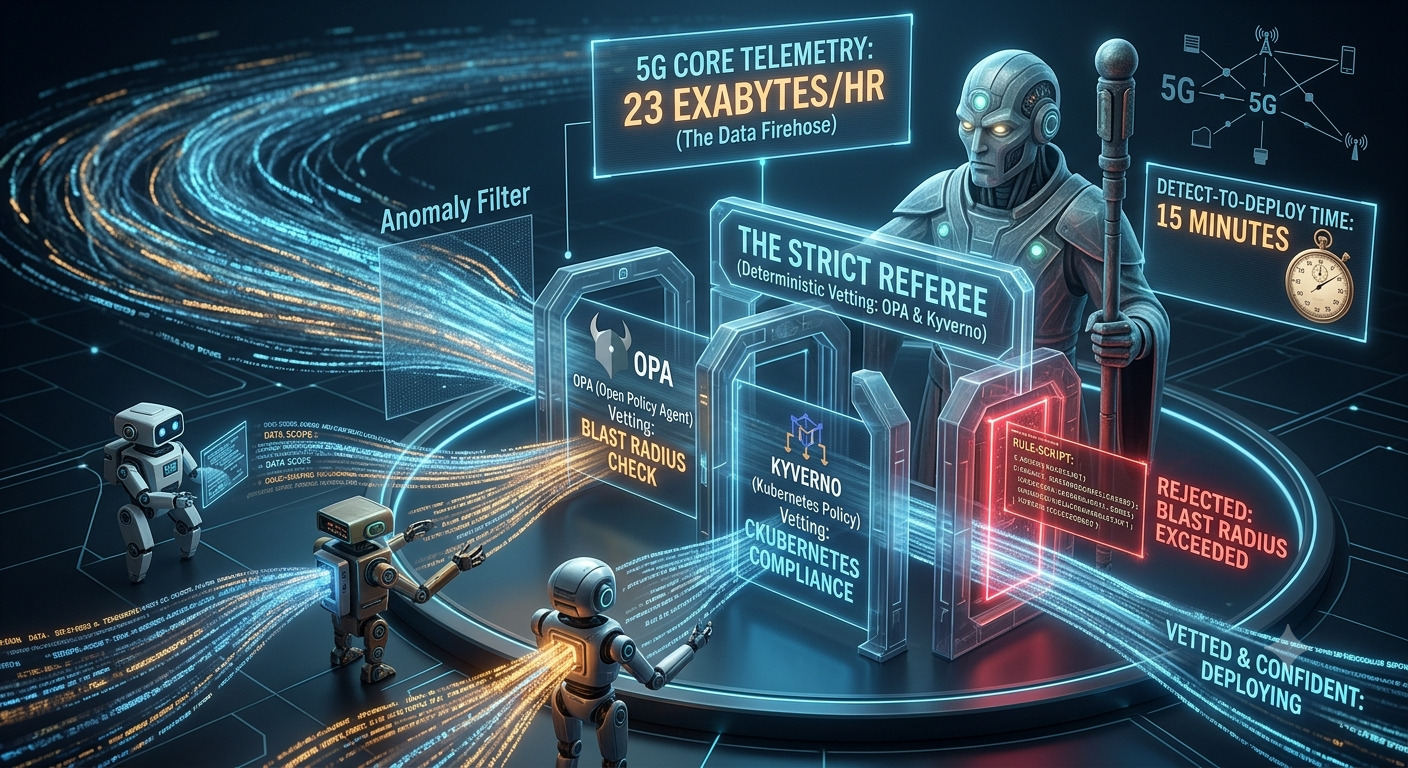
If you run security for a 5G core network, you have a data firehose problem. In an hour, your systems generate more telemetry than most enterprise SOCs see in a week. But the real bottleneck isn’t triaging all those alerts—it’s that your detection engineers can’t write new rules fast enough to keep up with attackers. […]
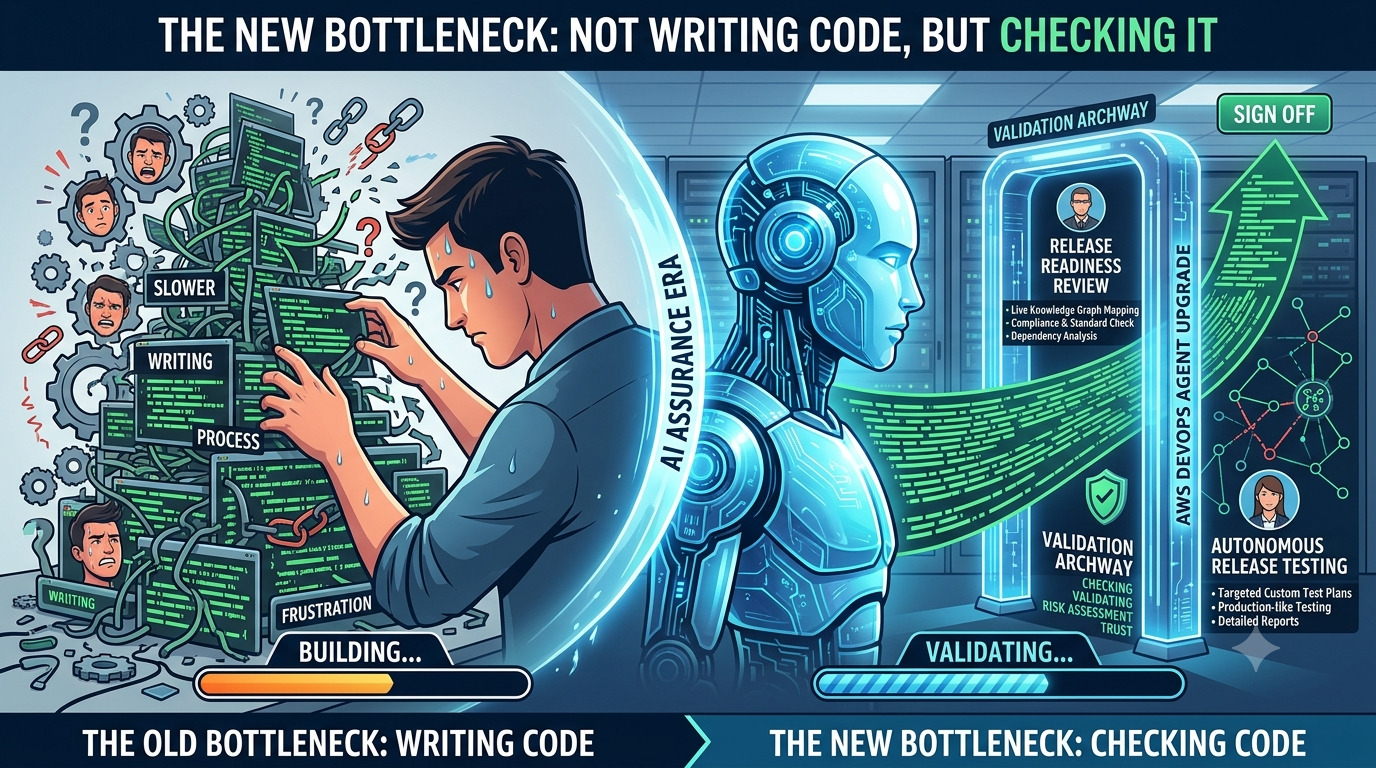
The New Bottleneck: Not Writing Code, but Checking ItFor the last few years, AI coding assistants have been on a tear—they’re generating massive amounts of code faster than ever. But here’s the catch: all that code still needs a human (or a very slow process) to review it, test it, and make sure it won’t […]
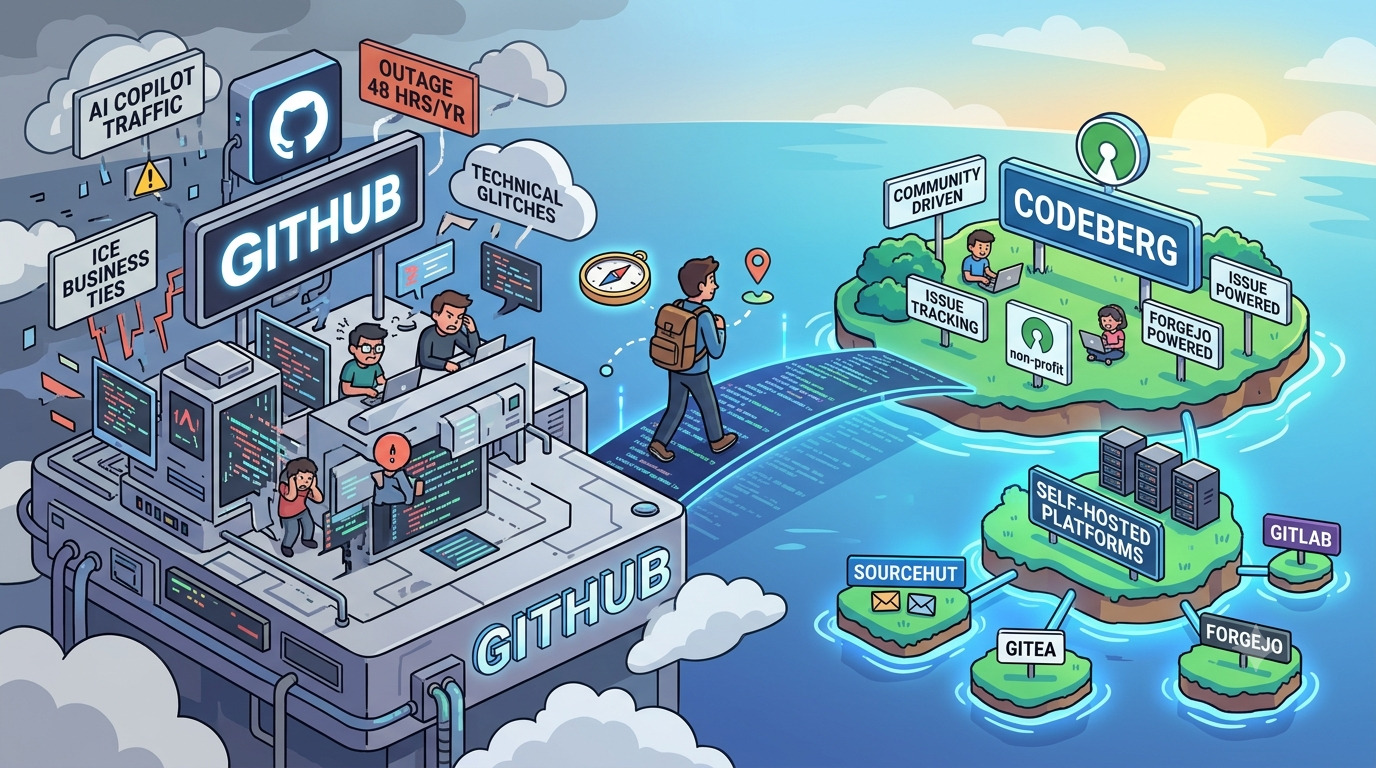
The Surface: GitHub Is Still HugeBy the numbers, GitHub is crushing it. Someone new joins every second. It holds over 600 million repositories, and developers pushed nearly a billion code updates in 2025 alone. On paper, it’s the undisputed king of code hosting. The Undercurrent: A Restless RumbleBut look past the stats, and you’ll notice […]
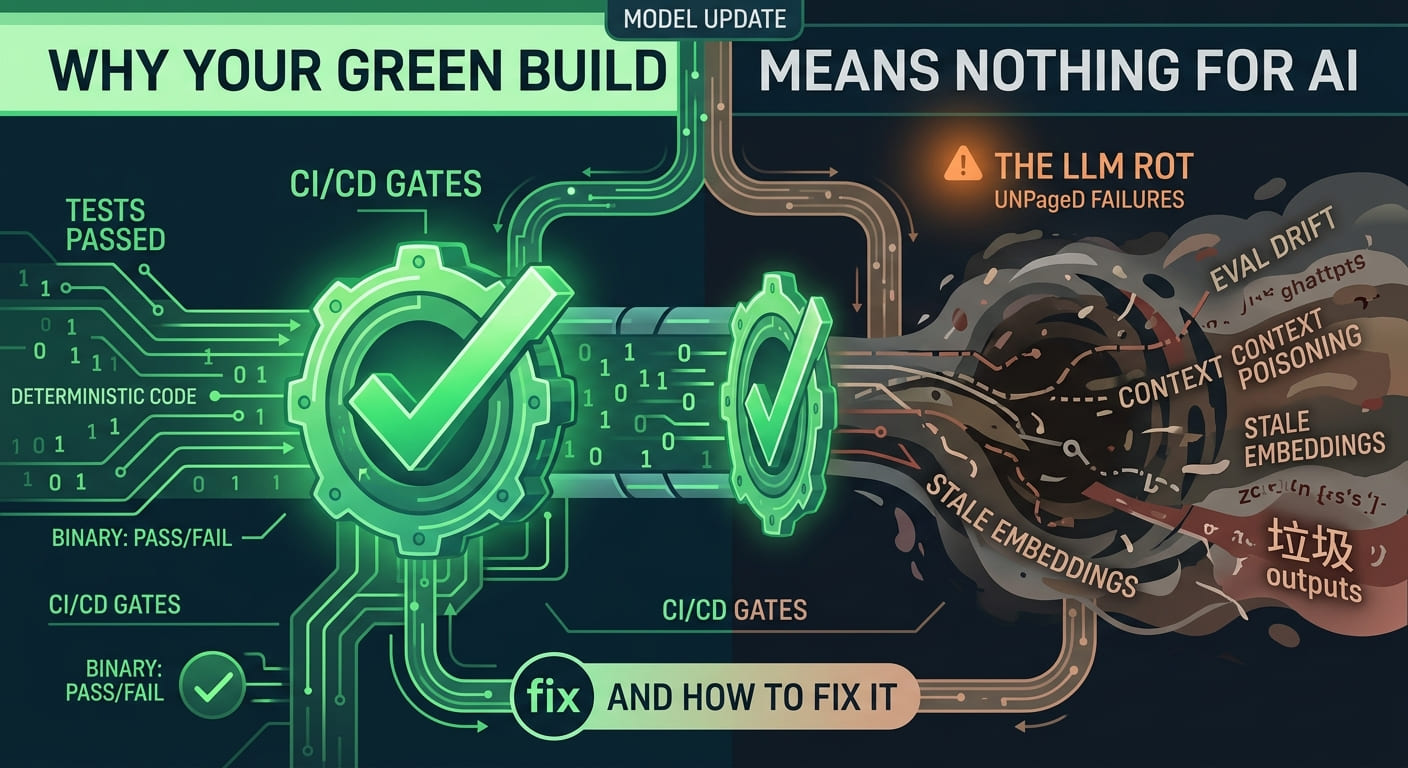
Key Takeaways The Friday Afternoon That Changed Everything The author deployed an updated RAG pipeline on a quiet Friday afternoon. All the evals passed. Similarity scores looked great. He went home for the weekend feeling confident. By Monday morning, the system was confidently serving up outdated pricing data to customers. The embedding model had drifted […]
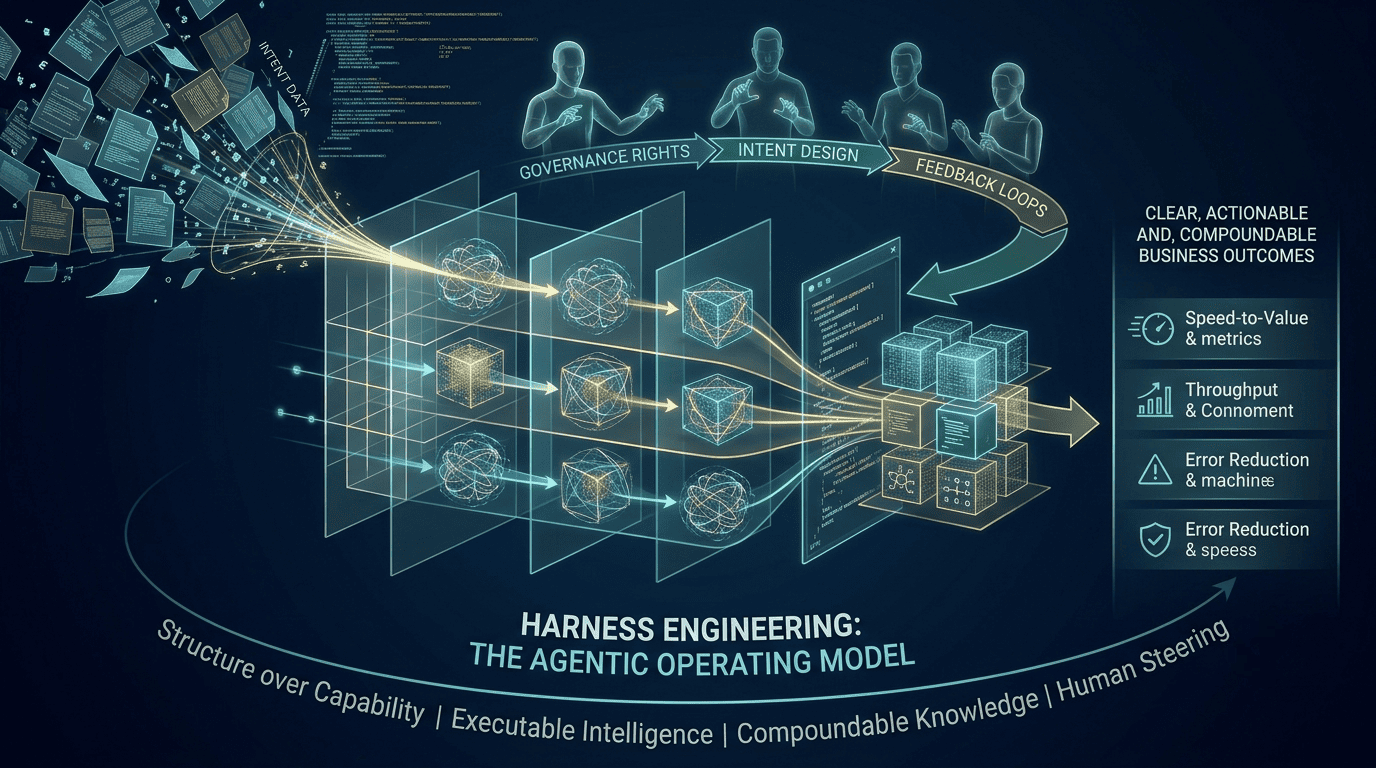
Most business leaders are still asking the wrong question. They want to know: Which model is the smartest? Which coding agent is fastest? Who just topped the leaderboard? It’s understandable. It’s also increasingly irrelevant. The real breakthrough happening right now isn’t about raw AI intelligence. It’s about harness engineering—the infrastructure, workflows, controls, and human oversight that turn […]
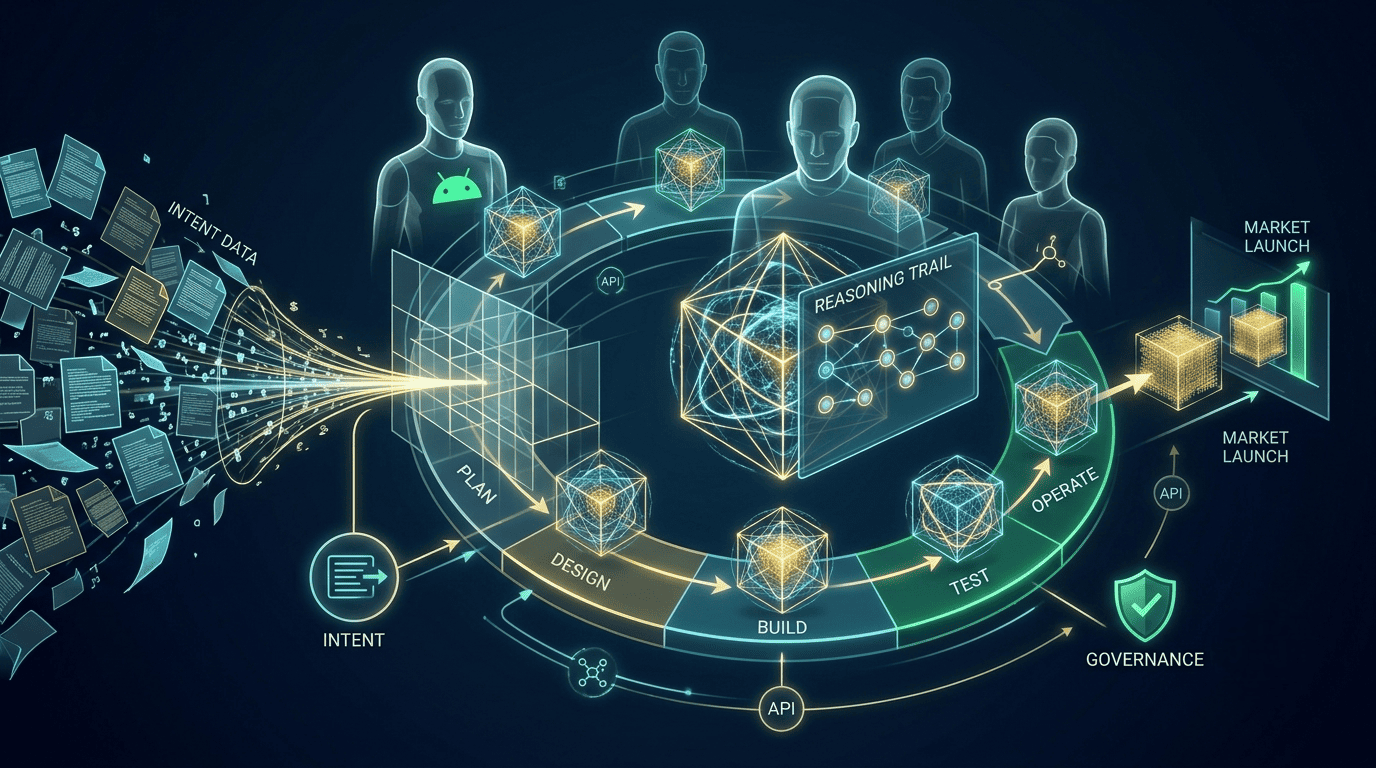
Software development has always been about refining our craft—better methods, better tools, faster cycles. But something fundamentally different is happening now. We’re moving beyond AI that suggests code to AI that takes initiative. Welcome to the era of Agentic AI. These aren’t your average autocomplete tools. Agentic systems can set their own goals, plan out multi-step tasks, take action, […]
- 1
- 2